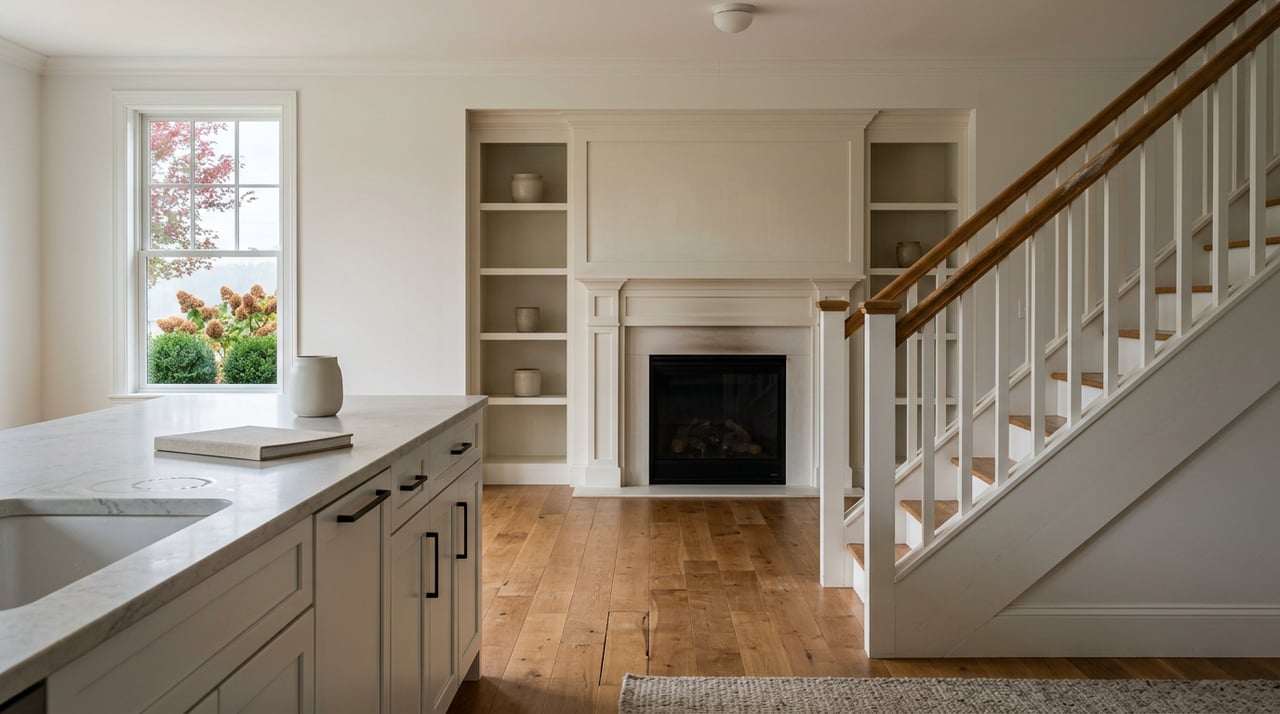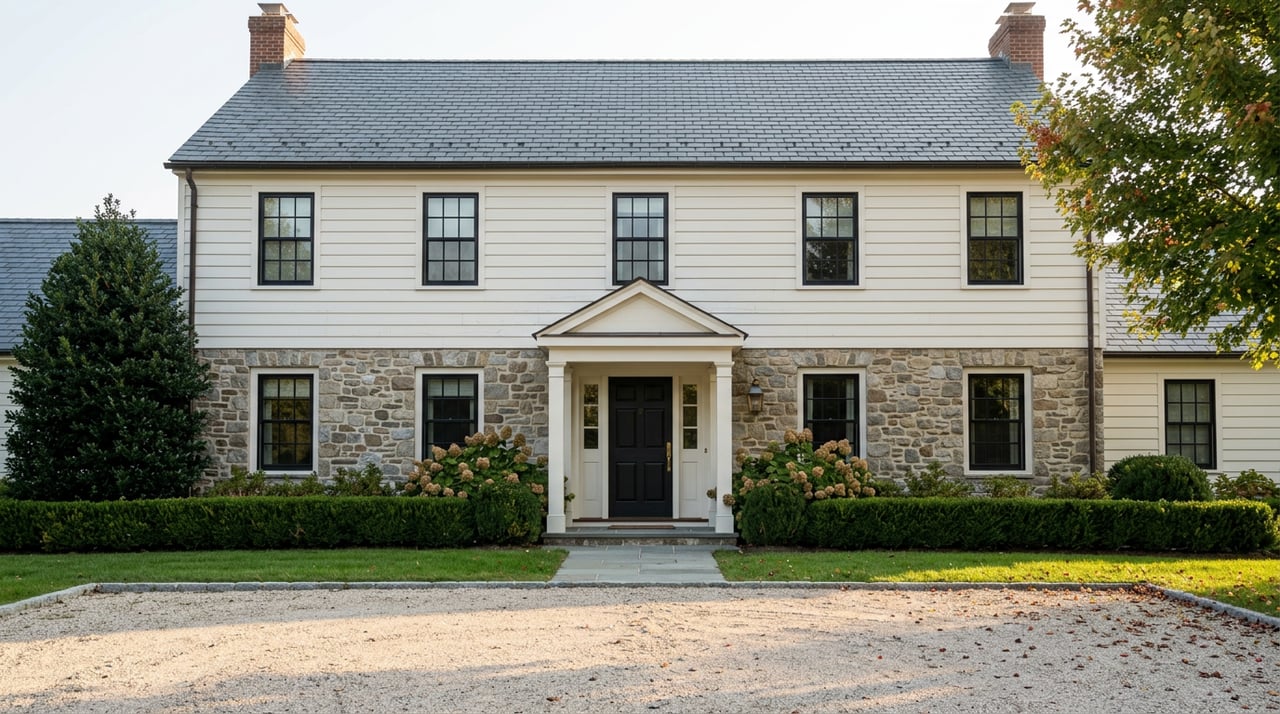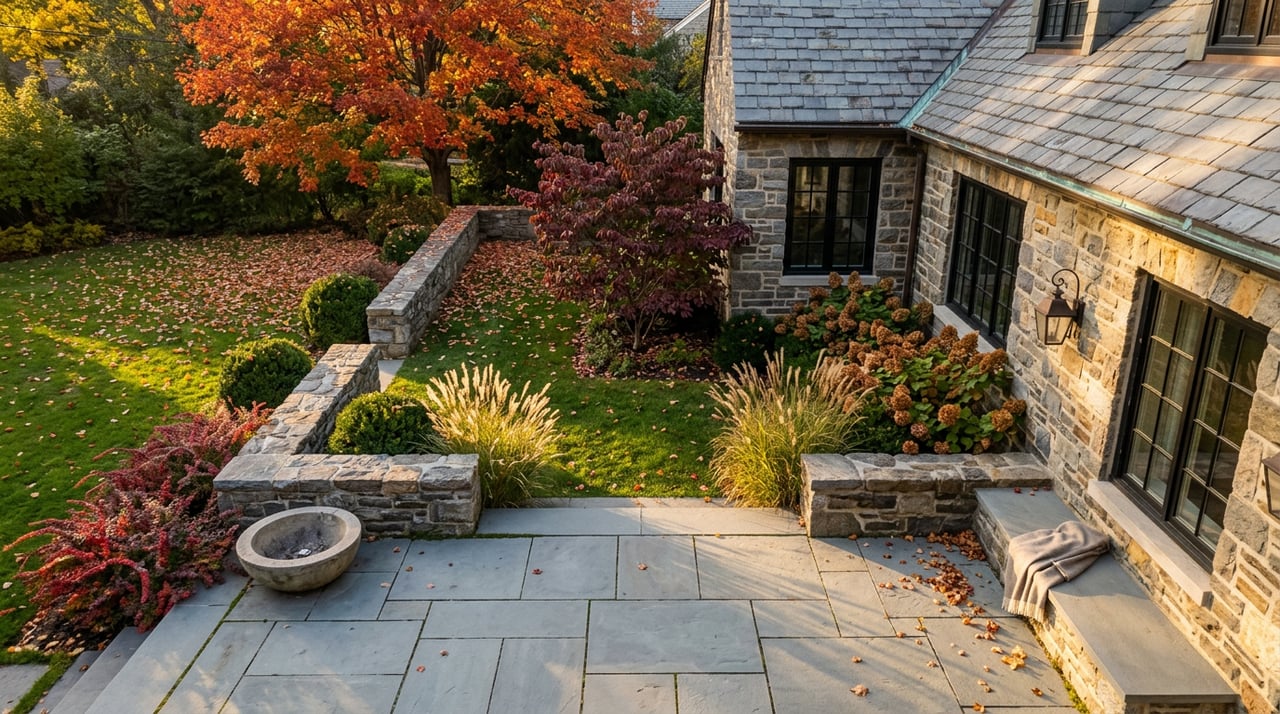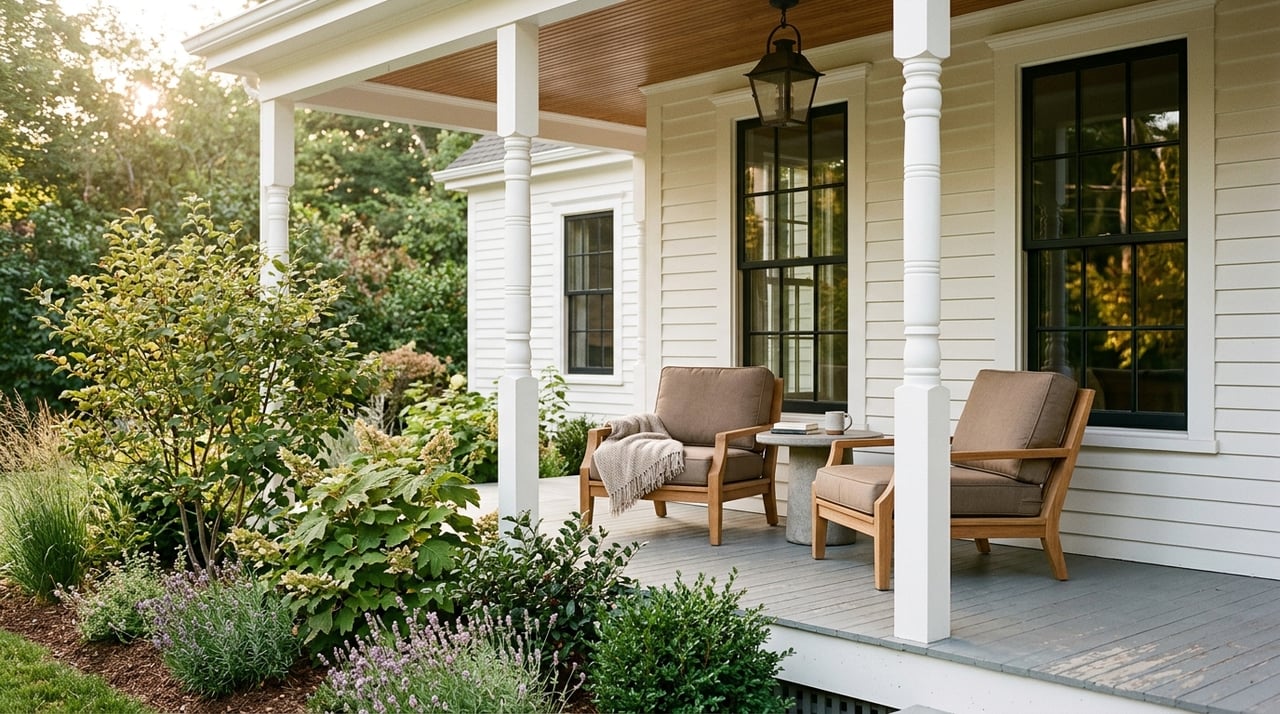
If you think luxury in Cape May is only about ocean views and high-end finishes, you are missing what makes this market truly special. Here, historic character is part of the lifestyle, and for many buyers, that is exactly the appeal. When you understand how preservation, architecture, and coastal ownership work together, you can make a smarter purchase with more confidence. Let’s dive in.
Why Cape May Feels Different
Cape May is officially described by the city as the Nation’s Oldest Seashore Resort, and that identity shapes the entire ownership experience. The city also notes that the Cape May Historic District is a National Historic Landmark known for its concentration of Victorian buildings. That means buying here is often about more than the home itself. It is also about owning a piece of a place with deep architectural and cultural continuity.
For luxury buyers, that creates a value proposition that goes beyond square footage. In Cape May, charm, walkability, preservation, and resort lifestyle often matter just as much as kitchen finishes or lot size. Beaches, dining, shopping, lodging, and birdwatching all help define the setting, which gives many homes a lifestyle premium that feels distinct from other shore markets.
Cape May Luxury Is Not One Look
Many people picture Cape May as purely Victorian, but the city’s architecture is more varied than that. Official city materials identify styles that include Gothic Revival, Carpenter Gothic, Romanesque Revival, Renaissance Revival, Italianate, Second Empire, Stick Style, Queen Anne, Shingle Style, Colonial Revival, Tudor Revival, Spanish Revival, and Bungalow Style. That variety matters because it gives you more ways to match the home to your taste.
A property can feel rich in history without looking like a museum piece. The city’s preservation guidance makes clear that the landmark district reflects a living record of architecture from several eras. So if you want historic character with a softer, more updated feel, you may still have strong options in Cape May.
What buyers should focus on
Instead of asking whether a home is simply “Victorian,” it helps to ask better questions:
- How much original material is still intact?
- Have past updates respected the home’s character?
- Does the property offer flexibility for future exterior changes?
- Will the style and upkeep fit the way you plan to use the home?
Those answers often tell you more about long-term value than the style label alone.
Restored vs Updated in Cape May
In Cape May, the real question is rarely restored versus updated in a basic sense. The better question is how the home balances original character, modern comfort, and future flexibility. A beautifully preserved property may offer authenticity and visual impact, while a more updated home may reduce near-term project demands.
The city’s Historic Design Standards provide the framework for that balance. They apply to structures in the historic district and designated sites on the zoning map, and they guide how exterior work is reviewed. Properties are classified as contributing or non-contributing based on age and historic character, and that distinction can affect how much scrutiny a future project receives.
Contributing vs non-contributing homes
This is one of the most important details to understand before you buy.
- Contributing properties were present during the district’s period of significance and retain historic character.
- Non-contributing properties may have fewer historic features or may have been altered enough that they no longer contribute in the same way.
- Contributing homes generally face stricter review for exterior changes.
- Non-contributing homes may offer more flexibility if you plan substantial exterior work.
If your priority is authenticity, a contributing property may be exactly what you want. If your priority is exterior customization, a non-contributing home may better fit your goals.
What Preservation Rules Mean for You
One of the most useful things buyers can know is that Cape May’s standards are focused on the exterior, not the interior. The city specifically applies its standards to items such as roofs, windows, additions, new construction, relocation, demolition, and flood mitigation. In many cases, that means interior upgrades can be approached more freely than exterior changes.
That does not mean exterior work is simple. The Historic Preservation Commission requires review and approval before exterior work begins in the historic district, including alterations, demolition, new construction, and changes to important landscape features. Some minor work may qualify for an Approval in Review, while larger projects such as additions, new homes, demolitions, relocations, and solar panels require a full commission hearing.
Why this matters to luxury buyers
If you are buying a second home or a legacy property, you want clarity about what ownership will involve. A home may be perfect as-is, or it may need thoughtful planning if you hope to rework porches, windows, roofing, or an addition. Knowing the approval path early can help you avoid surprises and better assess total ownership cost.
How to Evaluate Past Updates
In a market like Cape May, not all renovations carry the same value. A polished kitchen or updated bath may look great, but the bigger question is whether prior work respected the home’s historic fabric. That is especially true for exterior elements that define character and may be subject to city review.
Preservation guidance favors repair before replacement when historic features begin to deteriorate. When replacement becomes necessary, the goal is to match the original in design, color, texture, and, where possible, materials. In practical terms, that means you should look beyond cosmetics and ask how carefully the work was done.
Exterior elements worth extra attention
Certain features deserve close review because they affect both character and maintenance:
- Windows
- Rooflines and roofing materials
- Siding and exterior trim
- Porches and decorative details
- Gutters and downspouts
- Additions and exterior transitions
Windows are especially important in Cape May. They are often character-defining, and preservation guidance recommends repair as the first option when feasible. If windows were replaced, buyers should look for evidence that the new units were chosen to match the original design as closely as possible.
Coastal Ownership Requires Smart Due Diligence
Cape May’s beauty comes with the realities of coastal ownership, and smart buyers factor that in from day one. Historic homes can be especially vulnerable to deferred moisture issues, and problems may show up inside before they are easy to spot outside. That is why inspection strategy matters just as much as aesthetics.
Preservation guidance recommends close attention to roofs, gutters, downspouts, windows, doors, and exterior siding. Moisture management should be a top priority, especially in older coastal homes where water intrusion can quietly affect materials over time. Dense landscaping and vines can also trap moisture against the structure and contribute to deterioration.
A practical inspection mindset
When you tour a historic or luxury home in Cape May, try to think beyond finishes and staging. Focus on the systems and details that shape long-term ownership. A thorough review can help you separate true quality from expensive future maintenance.
Here are a few priorities to keep in mind:
- Check for signs of water intrusion around windows, ceilings, and exterior walls.
- Review the condition of the roof, drainage paths, and gutter systems.
- Ask about the age and history of exterior repairs or replacements.
- Look for documentation tied to prior exterior approvals when relevant.
Flood Risk Should Be Part of the First Conversation
Because Cape May is coastal, flood exposure should be part of your home search from the beginning, not after you are emotionally committed. FEMA notes that coastal flood maps may show high-risk areas and wave-action zones, and that owners should contact their community’s floodplain administrator before making changes to a home. Flood zone positioning can affect both risk and carrying costs.
Insurance is part of that equation as well. Buyers should verify likely flood insurance costs before finalizing an offer, especially when comparing homes with similar pricing but different exposure. In a luxury purchase, that level of due diligence helps protect both lifestyle and long-term value.
A Simple Buyer Checklist for Cape May
If you are considering a historic or luxury property in Cape May, this checklist can help you stay focused:
- Confirm whether the property is contributing or non-contributing.
- Ask for available records related to prior exterior work or approvals.
- Prioritize inspections around roofs, windows, doors, siding, gutters, and moisture intrusion.
- Evaluate whether updates appear compatible with the home’s character.
- Verify flood zone exposure and likely insurance costs early.
- Think through whether your future plans involve interior updates, exterior changes, or both.
Why the Right Guidance Matters
Cape May offers a rare blend of seaside lifestyle and architectural depth, but that also means each purchase has layers worth understanding. A luxury home here may be about craftsmanship, history, preservation, flexibility, or all four at once. The key is knowing how to evaluate not just the beauty of a property, but the realities that come with owning it.
That is where a technically informed, consultative approach can make a real difference. If you want help weighing character, condition, future project flexibility, and the practical side of coastal ownership, Greg Davis Luxury Homes can help you navigate Cape May with clarity and confidence.
FAQs
What makes Cape May luxury homes unique?
- Cape May luxury homes often combine historic architecture, preserved exterior character, walkability, and a resort lifestyle that includes beaches, dining, shopping, and other coastal amenities.
What does contributing status mean for a Cape May home?
- A contributing home retains historic character from the district’s period of significance and usually faces stricter review for exterior changes.
What exterior changes require review in Cape May?
- In Cape May’s historic district, exterior alterations, additions, demolition, new construction, and certain landscape changes require review by the Historic Preservation Commission before work begins.
What should buyers inspect in a historic Cape May property?
- Buyers should pay close attention to roofs, gutters, downspouts, windows, doors, siding, and signs of moisture intrusion, since these areas can affect both preservation and long-term maintenance.
Why are windows so important in Cape May historic homes?
- Windows are often character-defining features, and preservation guidance recommends repair first when possible, with replacement considered only when deterioration or code issues make it necessary.
How should buyers think about flood risk in Cape May?
- Buyers should verify flood zone exposure and likely insurance costs early, since coastal flood risk can affect both ownership costs and future property decisions.