Thinking about building a luxury home in Chadds Ford? It is easy to focus on finishes, floor plans, and designer details, but the smartest buyers know the real story starts with the lot, the approvals, and the timeline behind the build. If you want a clearer path from dream home to move-in day, this guide will help you understand what matters most in Chadds Ford and what questions to ask before you sign. Let’s dive in.
Why Chadds Ford new construction is different
Luxury new construction in Chadds Ford can be more complex than a typical resale purchase because the process often involves more than choosing a builder and selecting upgrades. Chadds Ford Township handles local zoning, subdivision and land development, stormwater, sewer, and certain historic review matters, which means approvals can start long before the house itself goes vertical.
That matters because not every parcel follows the same path. Before you assume a lot is ready for your preferred home design, you need to confirm the exact jurisdiction, review process, and utility setup tied to that specific property.
Start with the lot, not the finishes
A beautiful spec sheet does not guarantee a smooth build. In Chadds Ford, one of the first questions should be whether the parcel can support the home as proposed under current local rules.
The township requires a zoning permit application for new construction and additions. Buyers should also confirm the zoning map and township code rather than relying only on verbal guidance from a builder or seller representative.
If the property is part of a new lot split or small subdivision, there may be another layer to review. Preliminary subdivision and land development applications must be submitted 21 days before the next Planning Commission meeting, and Delaware County Act 247 review is generally required before municipal action on subdivision and land development proposals.
Check for historic district review
Some luxury buyers are surprised to learn that a brand-new home may still face design review. Chadds Ford Township has a Historic Overlay District and a Historical and Architectural Review Board, known as HARB, that makes recommendations for a Certificate of Appropriateness in the township’s two historic districts.
For you, that can affect exterior materials, massing, signage, and certain design changes. Applications must be submitted 10 business days before the hearing date, so this is not a detail you want to discover late in the process.
Understand stormwater requirements early
On larger luxury lots, site work can be just as important as the home itself. Long driveways, expanded patios, pools, drainage improvements, and outdoor living areas can all affect the permit path.
Chadds Ford’s stormwater rules are especially relevant because the township sits in the Brandywine Valley, where stormwater ultimately flows to Brandywine Creek. The township requires a grading or stormwater permit if a project creates 500 square feet or more of new impervious coverage or disturbs more than 5,000 square feet.
That threshold can be reached quickly on a high-end build. If your plans include extensive hardscaping or outdoor amenities, make sure those items are part of the early feasibility review.
Verify water and sewer before signing
Utilities are one of the biggest due diligence items in Chadds Ford new construction. The setup can vary by parcel, so you should confirm this before you finalize a lot purchase or build contract.
According to the township, the vast majority of residents obtain water from private wells. Delaware County Health Department processes and issues permits for private water wells and on-lot sewage disposal systems under Act 537, while Chadds Ford’s sewer authority oversees public sewage collection where applicable.
In simple terms, your home may use public sewer, a private septic system, a private well, or some combination depending on the location. That affects cost, planning, maintenance, and sometimes the design of the home and site improvements.
Know the permits involved
A luxury build usually involves a series of approvals, not one all-purpose permit. Chadds Ford’s permit process includes separate applications for building, electrical, mechanical, plumbing, sprinkler, grading, and zoning permits, along with a certificate of use and occupancy.
Pennsylvania’s Uniform Construction Code also requires a building permit before construction starts, inspections for many residential systems and changes, and a certificate of occupancy before the home can be occupied. That means your move-in timeline is tied to approvals and inspections at several points, not just construction progress.
What the timeline may look like
One of the most common mistakes buyers make is treating new construction like a standard closing. In reality, your timeline may hinge on township scheduling, county review, permit processing, inspections, and final sign-off.
Pennsylvania says permit applications are generally acted on within 15 business days, or within 5 business days when plans are sealed and certified by a licensed design professional. For residential buildings, the certificate of occupancy must be issued within 5 business days after a final inspection report shows compliance.
Local process rules can also shape the calendar. In Chadds Ford, permit drop-offs require appointments and walk-ins are not accepted, and land development applications must meet Planning Commission deadlines. If you are coordinating a sale, relocation, or temporary housing, build in extra time.
What luxury buyers want now
Today’s luxury buyers are not only looking for scale. They are also looking for comfort, function, efficiency, and easy everyday living.
Recent buyer-preference research shows strong demand for features like a laundry room, patio, ENERGY STAR windows, exterior lighting, front porch, landscaping, hardwood flooring, a full bath on the main level, ENERGY STAR appliances, a walk-in pantry, and kitchen table space. In other words, the details that matter most often blend polished design with practical use.
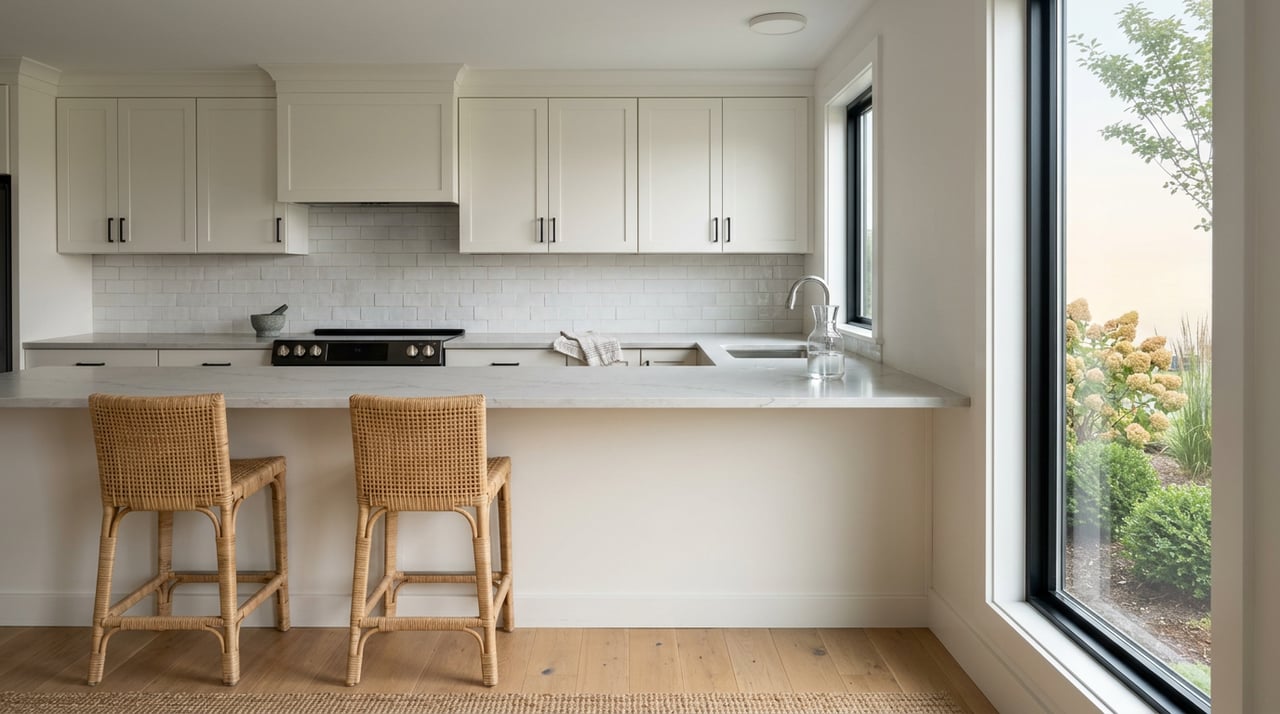
Features gaining popularity include security cameras, wired home security systems, programmable thermostats, multizone HVAC, energy-management systems, lighting control systems, outdoor fireplaces, outdoor kitchens, quartz or engineered-stone countertops, and built-in kitchen seating. For many buyers in Chadds Ford, that mix of convenience, security, and outdoor living helps define modern luxury.
Why energy performance matters
Energy efficiency is not just a buzzword in new construction. It can be a meaningful quality and value indicator when you compare builders and homes.
ENERGY STAR says certified new homes are independently verified and designed to exceed minimum energy code requirements by at least 10 percent, with standards covering insulation, windows, air sealing, and HVAC systems. The U.S. Department of Energy says DOE Efficient New Homes are third-party verified and designed for strong energy savings, comfort, health, and durability.
For you, the takeaway is simple. If a builder promotes energy performance, ask whether the home is actually certified and what features are included as standard rather than optional.
Inspections still matter on a new home
A brand-new home is still a major construction project, and it still deserves careful review before closing. New does not mean flawless.
HUD encourages buyers to obtain an independent home inspection, with inspectors focusing on the structure, construction, and mechanical systems of the house. An official county guide for newly constructed homes also recommends a pre-closing walk-through with someone knowledgeable in the building trades and suggests checking plumbing leaks, HVAC operation, electrical function, drainage issues, caulking, insulation, windows and doors, and any deviations from approved plans.
This is where a technically informed advisor can add real value. The goal is not to create friction. It is to help you close with a clear punch list, realistic expectations, and documentation that protects you after move-in.
Do not overlook the warranty plan
The closing is not the end of your due diligence. It is the start of your warranty period and your opportunity to track any items that need correction.
That same county guide recommends obtaining a one-year builder warranty and keeping both contractor and manufacturer warranty documentation. On a luxury home, where systems and finishes can be more specialized, organized records can save you time and frustration later.
Smart questions to ask before signing
Before you commit to a builder or lot in Chadds Ford, ask direct questions and get the answers in writing whenever possible.
- Is the parcel located in Chadds Ford Township, and does it fall within a historic district or overlay that may trigger HARB review?
- What approvals are required for this specific project, including zoning, subdivision or land development, grading or stormwater, well or septic permits, and any Delaware County Act 247 review?
- Will the home use public sewer, a private septic system, a private well, or a combination of services?
- Which energy features are standard, and is the home certified under ENERGY STAR or DOE Efficient New Homes?
- What inspection rights, walk-through access, and warranty coverage are included before and after closing?
How to buy with more confidence
Luxury new construction in Chadds Ford can be incredibly rewarding, but the best outcomes usually come from careful planning at the front end. The lot, the utility setup, the permit path, the stormwater impact, and the review timeline all shape your experience as much as the home design itself.
If you approach the process with the right questions and the right guidance, you can reduce surprises and make better decisions from day one. When you want a buyer advocate who understands both the lifestyle side of luxury homes and the technical side of property due diligence, Greg Davis Luxury Homes can help you move forward with clarity.
FAQs
What makes luxury new construction in Chadds Ford more complex?
- Chadds Ford new construction can involve local zoning, stormwater review, subdivision or land development review, county Act 247 review, utility approvals for wells or septic, and possibly historic district review depending on the parcel.
What should you verify about a Chadds Ford building lot?
- You should confirm the parcel jurisdiction, zoning status, utility setup, stormwater requirements, and whether any historic district or overlay review applies before relying on a proposed build plan.
Does a new luxury home in Chadds Ford need stormwater review?
- It may, especially if the project adds 500 square feet or more of impervious coverage or disturbs more than 5,000 square feet, which can happen with long driveways, patios, pools, and large outdoor living areas.
Can a brand-new home in Chadds Ford still face historic review?
- Yes, if the property is in one of the township’s historic districts, HARB may review exterior design elements and make recommendations for a Certificate of Appropriateness.
Should you get an independent inspection on a newly built home?
- Yes, because independent inspections and pre-closing walk-throughs can help identify issues with structure, systems, drainage, finishes, or deviations from approved plans before you close.
What energy features should you ask about in Chadds Ford new construction?
- Ask whether the home includes items like ENERGY STAR windows, ENERGY STAR appliances, programmable thermostats, multizone HVAC, energy-management systems, and whether the home has an ENERGY STAR or DOE Efficient New Homes certification.