Thinking about listing your West Chester home and want buyers to fall in love fast? The way you stage tells a story about space, quality, and lifestyle within seconds, which can shape offers and days on market. You want results without wasting time or dollars, and you want guidance that respects local architecture and buyer expectations. This guide gives you a clear, room-by-room plan tailored to West Chester and surrounding Chester, Montgomery, and Bucks County suburbs, plus timelines, costs, and pro tips you can put to work now. Let’s dive in.
Know your West Chester buyer
Luxury and upper mid-market buyers in West Chester often include professionals who commute to Philadelphia, families who value established school districts, and downsizers drawn to the walkable borough lifestyle. Many expect high-quality finishes, smart systems, organized storage, and lifestyle spaces like home offices and outdoor rooms. If your home is in the top tier of its micro-market, focus staging on the areas that signal quality and everyday ease. Always align your presentation with recent neighborhood comps to match buyer expectations.
Honor the architecture
West Chester has a mix of Colonial revivals, Victorian townhomes, stone farmhouses, mid-century homes, and newer luxury builds. The most effective staging protects and highlights the character you already have. Historic homes shine when you spotlight original mouldings, fireplaces, and period-friendly lighting and colors. Newer luxury homes benefit from clear open-plan flow, tall ceiling drama, and indoor to outdoor continuity.
If your property sits in a historic district, exterior changes can be limited. Before making visible updates to the facade or landscaping, confirm guidelines with the West Chester Borough Historic Architectural Review Board or your local municipal office.
Nail curb appeal and entry
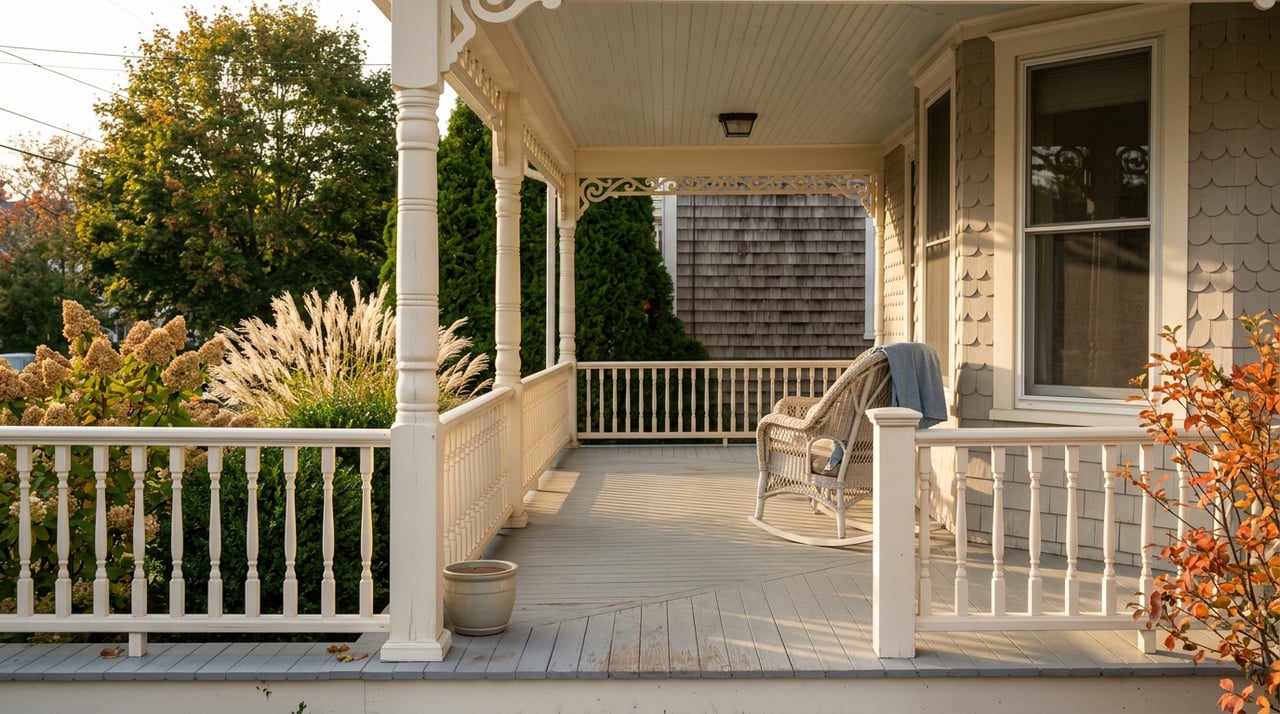
First impressions start at the street. Small upgrades create a big lift in perceived quality.
- Repair and clean walkways, sweep the roofline, and clear gutters.
- Refresh mulch, trim hedges, and add seasonal plantings that suit the home’s style.
- Refinish or repaint the front door and update the hardware if needed.
- Ensure house numbers are clean and visible.
- Store extra vehicles to show off driveway and garage capacity.
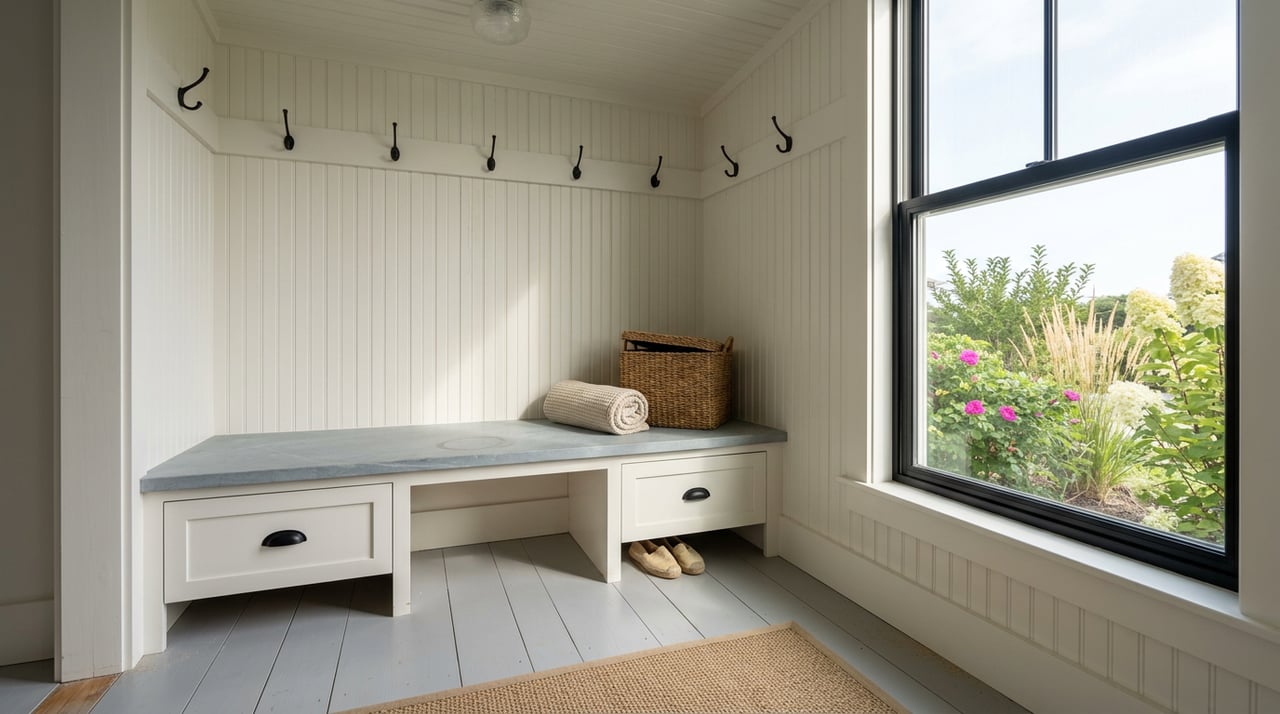
Inside the foyer, keep it open and purposeful. A slim table, mirror, and a simple bench set a welcoming tone without crowding traffic flow.
Elevate main living areas
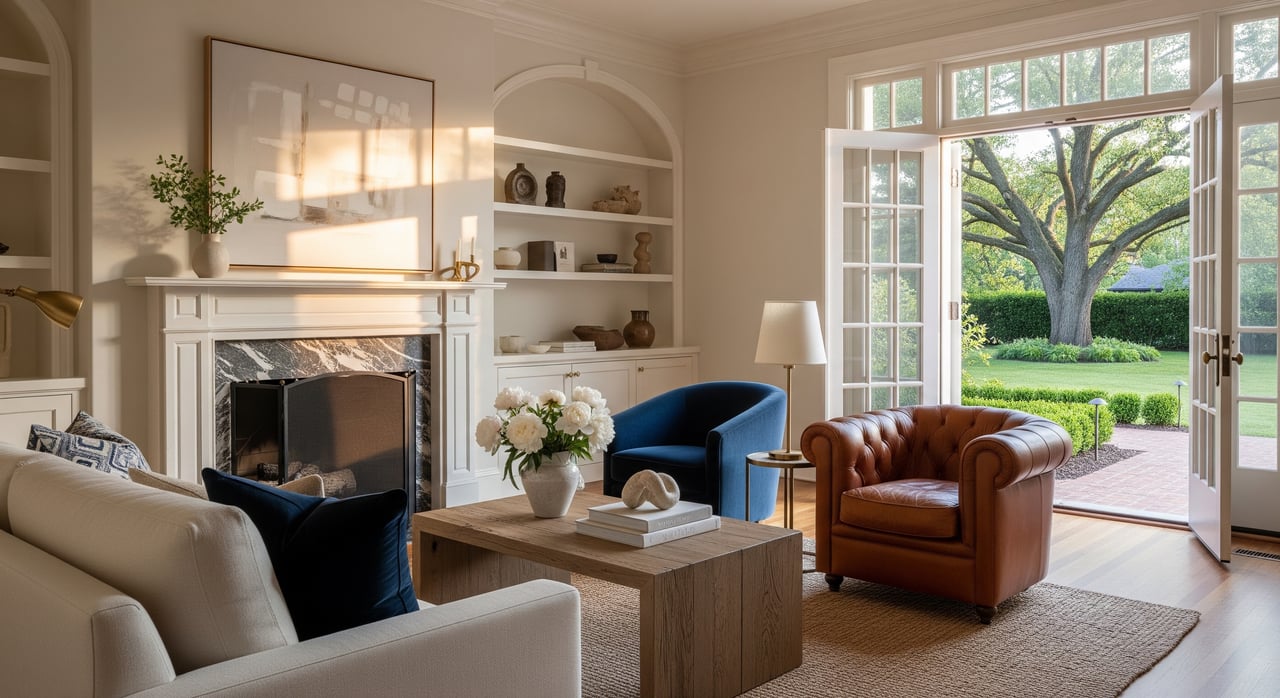
Your living and family rooms should feel scaled, calm, and conversational. Start by removing extra furniture so buyers read the full size of the room. Arrange seating to highlight the focal point, such as a fireplace or view to the yard. Use layered lighting with consistent bulb color temperature for a warm, even glow.
Choose a neutral, layered palette with texture from linen, wool, or leather. Keep accessories minimal and high quality. A curated reading nook or a styled console can suggest how the room supports daily life without feeling personal.
Kitchen and dining that sell
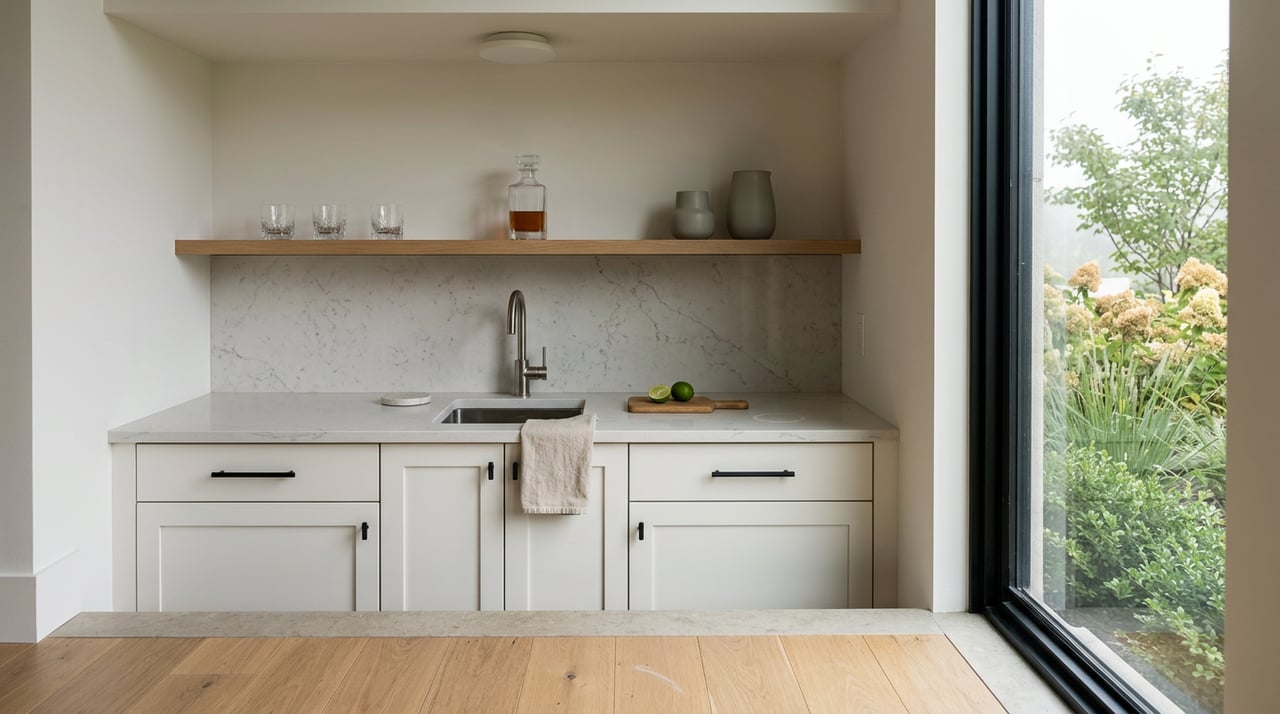
Kitchens carry the most weight for luxury buyers. Clear all clutter, including countertop appliances and refrigerator magnets. Add restrained, high-end signals like a bowl of fresh fruit, a cookbook, and plush towels. If chef’s appliances are a feature, you can set a minimal bar vignette to hint at entertaining.
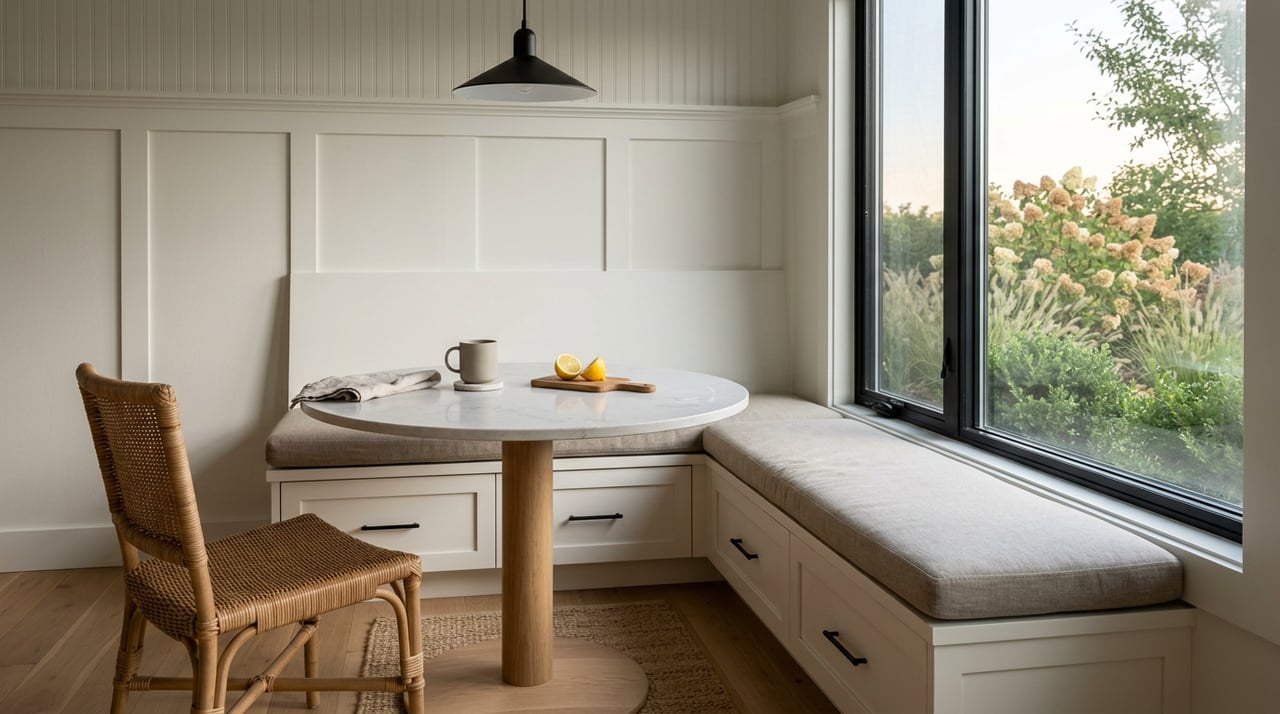
Show storage capacity by organizing the pantry and leaving some open space on shelves. If you have a large island, keep it clear to underscore prep and gathering space. In the dining room, set a simple, elegant table with neutral place settings and remove personal decor.
Primary suite and baths
Aim for a spa-like calm. In the bedroom, use crisp, neutral bedding, two matching lamps, and minimal art. Showcase closet organization so buyers see function and volume.
In bathrooms, remove personal items from sight and add soft white towels, a neutral rug, and subtle greenery. In cooler months, a warm indoor temperature and warmed towels can make showings feel inviting.
Offices and flexible spaces
Remote work is a standard expectation. Stage a real workstation with a clean desk, ergonomic chair, and tidy cable management. If you have a flex room, present a clear alternative use, such as a fitness corner, nursery, or hobby studio. Help buyers visualize how the home adapts to different needs.
Basements and lower levels
Finished lower levels can feel like bonus square footage. Emphasize ceiling height and natural light where available. Define zones, such as media, gym, or guest suite, and keep storage areas labeled and decluttered. Remove excess personal items to help buyers focus on the possibilities.
Outdoor living that wows
Lifestyle drives premium value. Clean and style patios, decks, pools, and outdoor kitchens to show daily use without clutter. A simple dining set, a few cushions, and a tidy fire pit can read as turn-key to a buyer. On larger properties, make it easy to understand the site by opening paths or marking key features.
Lighting, finishes, and scent
Consistent light elevates everything you stage. Replace dim or mixed-color bulbs with brighter, matching options and check that every fixture works. Keep finishes clean and in good repair. If you use scent, choose neutral and subtle options like citrus or a fresh-baked note. Avoid anything heavy or perfume-like.
Stage first, then media
Most buyers will discover your home online first, so what they see on screen must be exceptional. The ideal sequence is simple: complete staging, follow with professional cleaning, and schedule photography and video within 24 to 72 hours of going live.
Luxury listings benefit from high-resolution interior and exterior photos, twilight shots for curb appeal, drone images for lots or surroundings, 3D tours for immersion, and clear floor plans with room dimensions. Time photos for optimal daylight and clean the windows for crisp natural light. Dress the windows to showcase views and privacy.
What to spend and where to focus
You do not need to stage every corner to get results. Focus on the rooms with the biggest impact in this market, usually the kitchen, the main living area, and the primary suite. These spaces do the heavy lifting for buyer perception.
- Occupied homes: Per-room refreshes commonly range from a few hundred to a few thousand dollars, depending on scope.
- Vacant homes: Expect a larger investment because of furniture rental and installation. Typical ranges start around $1,500 and can exceed $6,000, with monthly rental fees.
- Listing media: Budget separately for professional photos, video, and virtual tours, often several hundred to over a thousand dollars for luxury-quality assets.
There is no guaranteed percentage bump from staging. The measurable wins are stronger presentation, better online engagement, and a higher chance of timely, competitive offers.
DIY, pro, or hybrid?
A professional stager brings scale, inventory, and an understanding of what local buyers respond to. If you have high-quality furnishings and an eye for design, you can DIY the basics by decluttering, neutral painting, and renting a few key pieces for scale.
A hybrid approach works well for many sellers. Hire a stager for a consultation and implement priority items yourself. This keeps costs down while improving the major rooms buyers care about most.
Showings and security
Create an easy, repeatable routine for show days. Tidy daily, manage laundry and dishes, and keep pet items discreet. Secure valuables and medications. Provide a concise binder or digital packet listing upgrades, warranties, utility details, and permits, especially for historic elements or major systems like HVAC, generators, or water filtration.
Local historic notes to remember
If your property is within a historic district, check guidelines before any visible exterior changes. Period-appropriate plantings, careful lighting choices, and restoration of existing hardware often deliver the best results without conflicting with local requirements. When in doubt, verify with the borough or municipal office before scheduling work.
Timeline checklist
Use this simple plan to stay on track:
- Two to four weeks before photos: Edit belongings, schedule repairs, and consult a stager if needed.
- One to two weeks before photos: Complete paint touch-ups, finalize furniture layout, and stage primary rooms.
- Three to five days before photos: Deep clean, style accessories, and prep outdoor areas.
- Photo day: Confirm window cleaning, matching bulbs, and staged window treatments. Capture twilight and drone shots if applicable.
- During showings: Keep a daily reset list for kitchen, baths, and entry. Manage pets and maintain curb appeal with seasonal care.
When your home is ready for its close-up, coordinate a quick turnaround from staging to media to live listing so momentum carries into the first weekend.
Ready to position your West Chester home for a premium result? With the right staging, smart sequencing, and elevated marketing, you help buyers connect the dots between quality and lifestyle the moment they step in. For a tailored plan that aligns with your micro-market comps and property style, connect with the team at Greg Davis Luxury Homes. Schedule a Consultation today.
FAQs
Do luxury homes in West Chester really need staging?
- Yes. Staging clarifies space, scale, and flow for luxury buyers who expect a lifestyle presentation, which can improve perceived value and reduce time on market.
Is an occupied or a vacant home easier to stage?
- Occupied homes with well-scaled, high-quality furnishings often stage effectively at a lower cost, while vacant homes typically require rental inventory to achieve the same emotional impact.
How much does staging change the final sale price?
- There is no guaranteed percentage increase, but staging influences buyer perception and momentum, which can support stronger offers and a shorter time on market.
What if my home is in a historic district?
- Work within local guidelines and highlight existing character with period-appropriate choices; verify any visible exterior changes with the borough’s review process before scheduling work.
Can virtual staging replace physical staging?
- Virtual staging is useful for online interest, especially in vacant homes, but in-person showings benefit most from a physical staging plan that accurately represents scale and use.
How should I stage for winter showings in this area?
- Keep walkways clear of snow and salt, use evergreen containers for color, and make interiors feel warm and bright with consistent lighting and comfortable temperatures.