Dreaming about a beach place that pays for part of itself? In Sea Isle City, you can enjoy summer weeks with family while smartly filling the calendar with high‑demand rentals. The key is a clear second‑home strategy that aligns your personal use, budget, flood and insurance realities, and local rental rules. In this guide, you’ll learn the numbers that matter, the permits you need, how to model a conservative pro forma, and what features help your home perform with less hassle. Let’s dive in.
Why Sea Isle City works
Prices and taxes at a glance
Sea Isle City sits in a premium Cape May County tier, with average sale prices around the low seven figures. Recent state data points to an average sales price near $1.45 million, which matches broader market trackers. You should expect a meaningful but manageable carrying cost profile relative to that price point. The state’s municipal tax tables place Sea Isle’s average property tax bill in the low $6,000s, though your exact bill depends on the home’s assessed value and location. For benchmarks and context, review the state’s Average Residential Statistics and verify the bill for any address you are considering.
- Reference: See New Jersey’s Average Residential Statistics for pricing and tax context. NJ Treasury report
Seasonality and rental demand
Sea Isle is a classic summer shore town with a clear peak season. The city requires beach tags and enforces the season from Memorial Day through Labor Day, which lines up with the strongest weekly rental demand. Plan on premium rates in June through August, solid shoulder weekends in May and September, and light winter demand.
- City info: Review the current beach tag season and rules on the Sea Isle Beach Tag page.
- Market analytics: Reports for Sea Isle show peak average daily rates and occupancy in summer. You’ll commonly see ADRs in the mid‑$300s to $600s and occupancy that can range from roughly 30 percent annually to 60 percent or more in top months and well‑positioned properties. Check a live report for your target block and bedroom count in AirDNA’s Sea Isle City overview.
Build your second‑home game plan
Set personal use and income goals
Decide how many peak weeks you want for yourself, then design your revenue plan around those dates. If you hold two to three peak summer weeks for personal use, consider optimizing shoulder weeks and late August for rentals. If maximizing income is the priority, release prime dates early and require week‑long minimums.
Pricing and minimum‑stay tactics
- Peak summer: Price weekly, not nightly, and set clear turnover days to streamline cleaning. Many owners require 7‑night minimums in late June through August.
- Shoulder seasons: Loosen minimums to 2–3 nights, watch local event calendars, and offer small rate incentives for early bookings.
- Winter: Consider monthly or multi‑week stays to reduce turnover costs, or hold the calendar for renovations and upgrades.
Use a month‑by‑month ADR and occupancy plan. Validate your targets with a bedroom‑specific market report in AirDNA’s Sea Isle City overview or a local property manager’s comp set.
Property types that perform
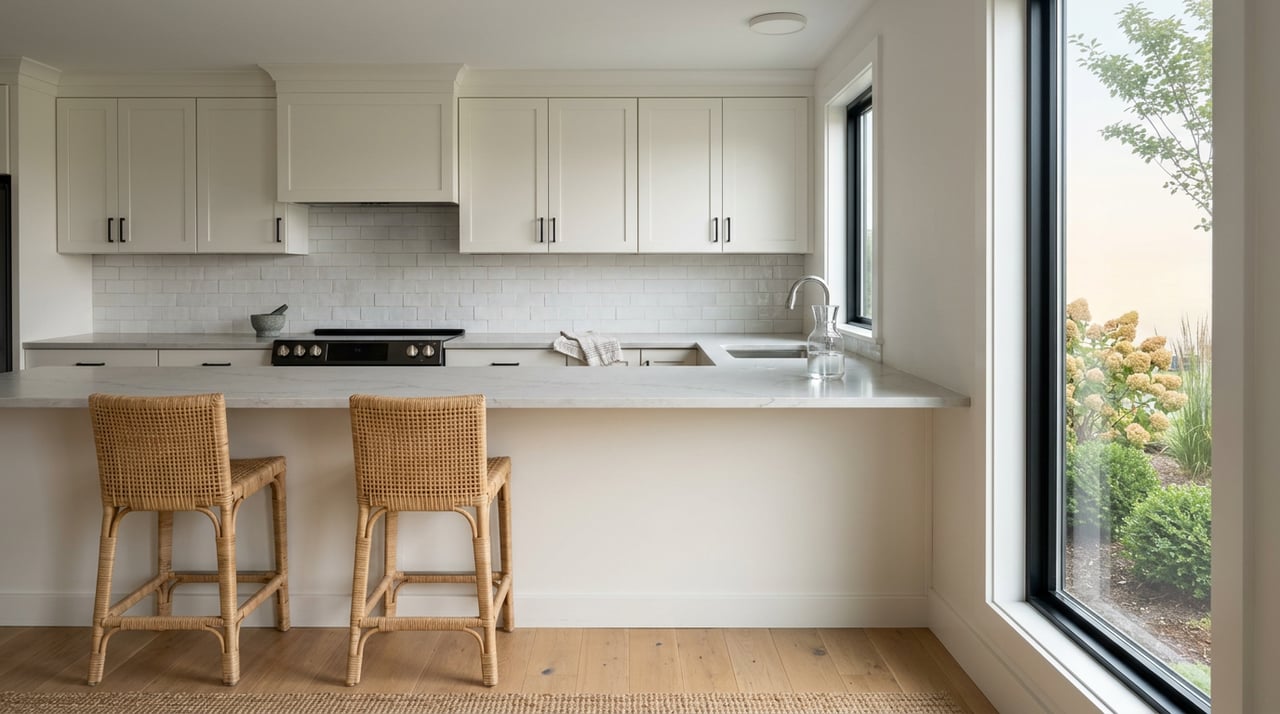
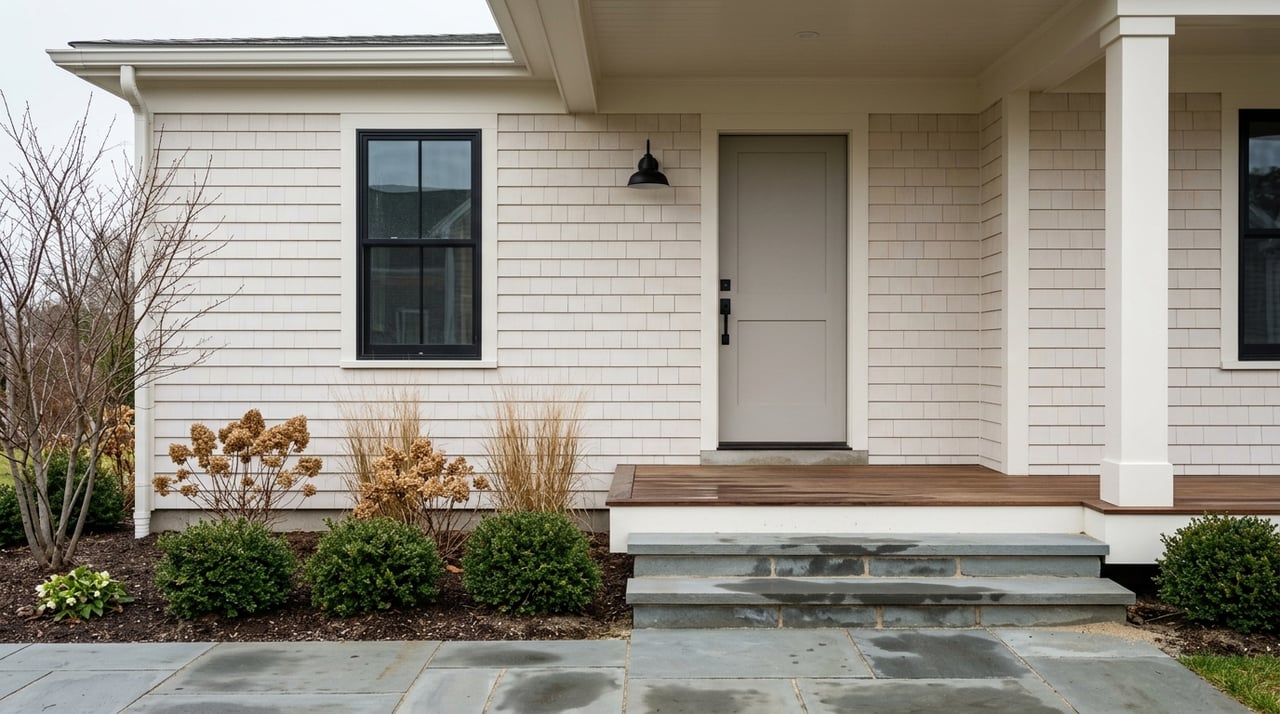
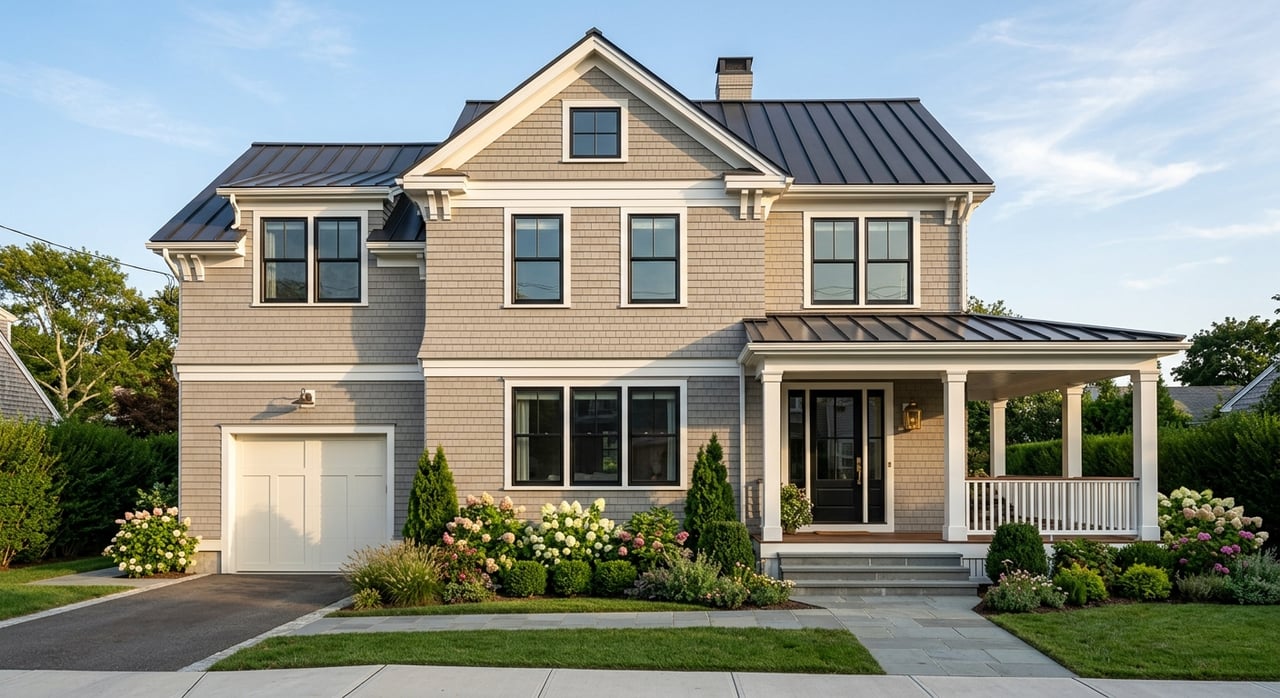
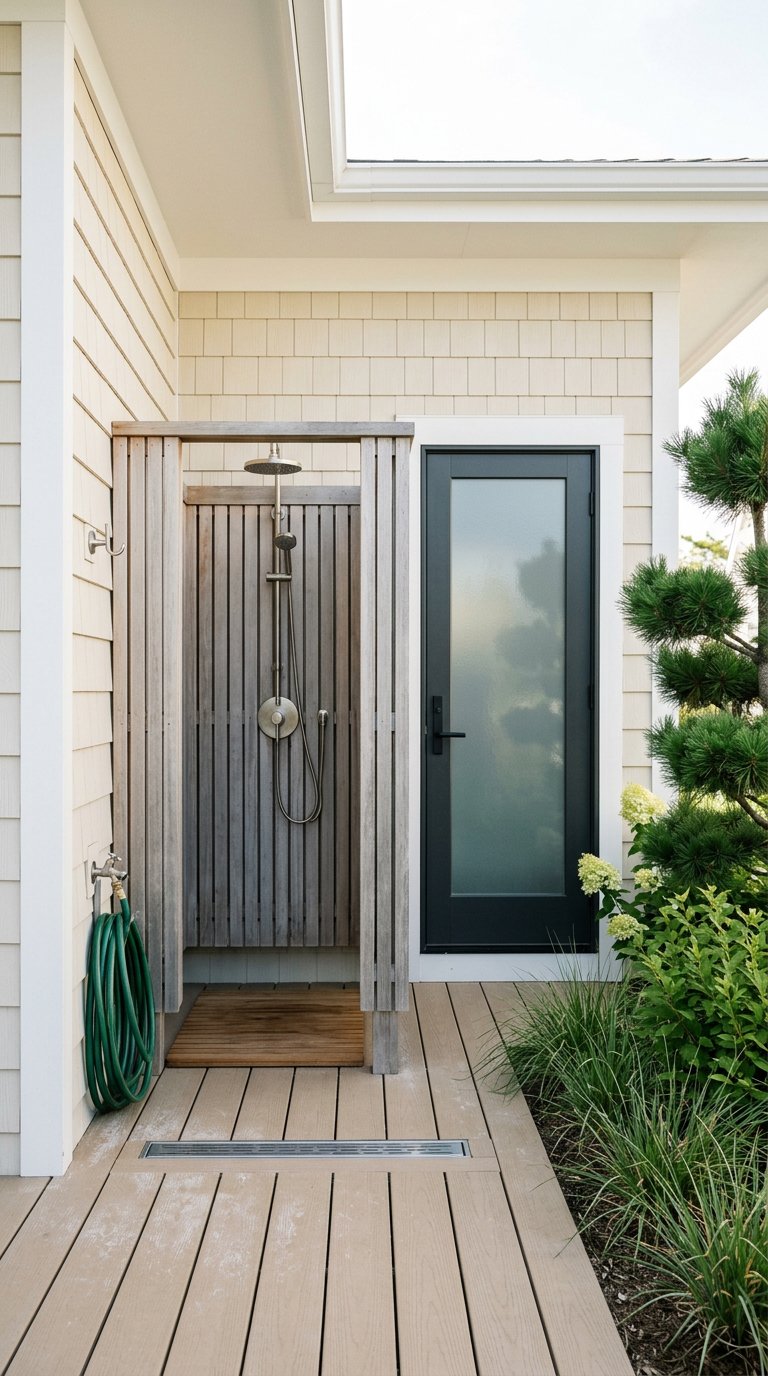
Homes near the beach or bay with functional parking, easy entry, outdoor showers, and storage for beach gear tend to book faster. Focus on low‑maintenance finishes and durable materials that stand up to salt air and frequent turnover. In this coastal market, elevation, resilient construction, and simple, easy‑to‑clean interiors are strategic advantages for both livability and insurance.
Budget with a conservative pro forma
Key revenue and cost lines
Build your model with realistic assumptions for both income and expenses:
- Revenue: ADR by month, occupancy by month, weekly vs nightly mix. Validate with AirDNA or a local manager.
- Taxes: Use the actual tax bill for the address. The state’s averages help set expectations. NJ Treasury report
- Insurance: Homeowners, wind/hurricane endorsements, and flood insurance. Get quotes early for both NFIP and private options.
- Management: If you want full‑service short‑term rental management, budget roughly 15 to 30 percent of gross rental revenue for professional oversight, guest communications, and coordination.
- Turnover costs: Cleaning, laundry, supplies, linens, and periodic deep cleans.
- Utilities and tech: Electric, gas, water, internet, streaming, smart locks.
- Maintenance and reserves: Routine wear, deck and exterior upkeep, appliance and HVAC reserves, and a capital fund for future projects.
- Licensing and platform fees: City mercantile license, platform fees, and any HOA dues.
Two example outcomes
These examples illustrate possible ranges. Replace with quotes for your exact address, home type, and management plan.
Scenario A - Smaller condo, conservative assumptions:
- ADR: $400
- Annual occupancy: 40 percent (146 nights)
- Gross rent: $58,400
- Management at 20 percent: $11,680
- Cleaning and supplies: $6,000
- Property taxes: about $6,400 average benchmark, verify the actual bill
- Insurance and flood: $3,500 estimate, quote required
- Utilities and maintenance: $9,000
- Net before mortgage and income taxes: about $21,800
Scenario B - Larger beach‑block single‑family, stronger season:
- ADR: $560
- Annual occupancy: 60 percent (219 nights)
- Gross rent: $122,640
- Management at 20 percent: $24,528
- Cleaning and supplies: $12,000
- Property taxes: about $6,400 average benchmark, verify the actual bill
- Insurance and flood: $5,000 estimate, quote required
- Utilities and maintenance: $12,000
- Net before mortgage and income taxes: about $62,700
Your results will vary by location, finishes, parking, and how much of peak season you rent. Always validate ADR, occupancy, insurance, and taxes for the specific property before committing.
Rules you must follow
City rental permit basics
Sea Isle City requires an annual mercantile license for any unit you rent. The application asks for proof of liability insurance, a designated local contact or licensed agent, payment of the annual fee, and a self‑inspection checklist with a maximum occupancy count. Expect enforcement around parking, occupancy, and noise. Confirm the current fee schedule and due dates with the City Clerk before you list your home. Start with the city’s mercantile license application.
State taxes on rentals
New Jersey treats many short‑term rentals as taxable “transient accommodations.” Sales Tax and a State Occupancy Fee can apply, and marketplaces may collect on your behalf depending on how you list. If you rent directly or are a professionally managed owner, you may need to register and remit yourself. Confirm your obligations using the state’s guidance in Tax Bulletin TB‑81R and consult a CPA.
Practical operations
Plan for seasonal parking and guest logistics. Sea Isle issues seasonal permits and has rules you should share with renters. Review the current Seasonal Parking Permit details and build clear guest instructions for access, trash, and quiet hours. Align your calendar with beach tag season and holiday weeks.
Flood, insurance, and resilience
Flood zones and elevation
Sea Isle City participates in the National Flood Insurance Program. The city notes that essentially the entire community lies in FEMA A or V zones, which means you should secure an elevation certificate and plan for flood‑resilient improvements. The Construction Office maintains many elevation records, and you can confirm mapping through FEMA. Start with the city’s Flood Information FAQs and check the FEMA Map Service Center for address‑specific data.
Insurance and deductibles
Coastal underwriting often includes separate wind or named‑storm deductibles. Premiums vary by elevation, construction, and mitigation features. Ask insurers about NFIP versus private flood options and whether Sea Isle’s community rating offers any discount on NFIP premiums. Build these quotes into your pro forma before finalizing financing.
Durable, low‑maintenance features
Prioritize features that reduce downtime and service calls:
- Elevated construction that meets or exceeds local minimum elevations, with mechanicals above base flood elevation.
- Impact‑rated windows or shutters, corrosion‑resistant hardware, composite decking, and PVC or closed‑cell exterior trim.
- Tile or engineered plank flooring on living levels and breakaway walls where permitted at ground level.
- Simple, low‑maintenance landscaping and organized storage for beach gear.
These choices protect your time and help maintain guest‑ready condition through the season.
Buyer due‑diligence checklist
Use this list before you write an offer or during attorney review:
- Permits and HOA: Confirm the home can obtain a Sea Isle mercantile license and that any HOA or condo rules allow short‑term rentals. Review the city’s rental license application.
- Elevation and flood: Request the elevation certificate and any prior flood documentation. Start with the city’s Flood Information FAQs.
- Insurance quotes: Obtain homeowners, wind, and flood quotes for the exact address with clear deductibles and exclusions.
- Historic rental performance: Ask for the last two to three years of ledgers, calendars, and rate sheets. If unavailable, get comps from a local manager and a bedroom‑specific market analysis in AirDNA.
- Taxes on rentals: Verify how Sales Tax and State Occupancy Fee apply to your channel and whether you must register and remit. Use NJ TB‑81R.
- Operations: Confirm parking capacity, review the city’s Seasonal Parking Permit details, plan for trash, cleaning, keyless entry, and guest communications.
- Capital plan: Document ages of roof, decks, siding, windows, HVAC, and any storm‑related repairs. Budget a reserve for coastal wear.
Partner with a local advisor
Buying a Sea Isle City second home is both a lifestyle move and a financial decision. You deserve a plan that protects your time, your guests’ experience, and your long‑term value. With a background that blends construction and environmental consulting with specialized second‑home expertise, I help you pressure‑test the numbers, coordinate local permits and insurance quotes, and negotiate the right terms so you can enjoy your shore time with confidence.
Ready to build your Sea Isle strategy? Let’s talk about timing, neighborhoods, and the best property type for your goals. Connect with Greg Davis Luxury Homes to get started.
FAQs
What are typical Sea Isle City home prices for second homes?
- State data shows average sales around $1.45 million, with individual values varying by location, size, and condition. Always verify with current comps and the property’s tax record.
Do I need a Sea Isle City permit to rent my home short‑term?
- Yes. The city requires an annual mercantile license with proof of liability insurance, a local contact, fee payment, and a self‑inspection that sets maximum occupancy. Start with the city’s application PDF on the Clerk’s page.
How are New Jersey short‑term rentals taxed?
- Many short‑term rentals are subject to Sales Tax and a State Occupancy Fee. Marketplaces may collect for you depending on how you list, but direct or professionally managed rentals often require owner registration and remittance. Consult NJ Tax Bulletin TB‑81R and a CPA.
Will I need flood insurance in Sea Isle City?
- Most properties are in FEMA A or V flood zones. Plan for flood insurance and request the elevation certificate before you finalize terms. Check the city’s flood FAQs and confirm mapping for your address.
When is peak rental season in Sea Isle and how should I price it?
- Memorial Day through Labor Day delivers the highest weekly rates and occupancy. Many owners set 7‑night minimums in peak weeks, then relax minimums and rates in May and September based on live market data for their bedroom count and location.
What local rules impact guest logistics?
- Sea Isle enforces beach tags in season and manages seasonal parking permits. Factor these into your guest guide and calendar planning, and include clear instructions on parking, trash, and quiet hours.