Choosing between new construction and a historic home in Malvern is not just about style. It is about how you want to live, what kind of upkeep you can handle, and how well a home fits your long-term plans. In a borough known for its railroad-era roots, walkable core, and limited room for large-scale growth, that choice carries extra weight. If you are weighing charm against convenience, this guide will help you compare both options with more clarity. Let’s dive in.
Why This Choice Matters in Malvern
Malvern Borough is a small, rail-connected community in Chester County with about 3,000 residents and a pedestrian-friendly downtown. The borough highlights its Victorian-era facades, revitalized core, and SEPTA rail access as part of its identity. That local character shapes what many buyers find appealing here.
The housing mix also makes this decision more relevant than it might be in other markets. Local planning documents say 31.8% of housing units were built in 1939 or earlier, while only 2.5% were built from 2000 to 2009. With limited undeveloped land, Malvern expects future housing to come more from redevelopment, infill, conversions, and rehabilitation than from large new subdivisions.
What Counts as a Historic Home
Not every older house in Malvern is a historic property. That distinction matters when you are evaluating renovation plans, maintenance expectations, and possible approval requirements.
Pennsylvania’s State Historic Preservation Office says National Register recognition is based on a property’s significance in history, architecture, archeology, engineering, or culture. In general, a property typically needs to be at least 50 years old and still resemble its historic form. That is separate from Malvern’s local historic-overlay rules, which are governed by borough code.
Malvern takes preservation seriously. The borough’s Historical Commission was created in 1983 to identify and preserve significant architectural, natural, and historic sites, and the official historic-property list includes multiple tiers of historic resources across the borough. In other words, if you are looking at an older home, you should not assume it is formally designated, but you also should not assume it is free from local historic considerations.
Why Buyers Love Historic Homes in Malvern
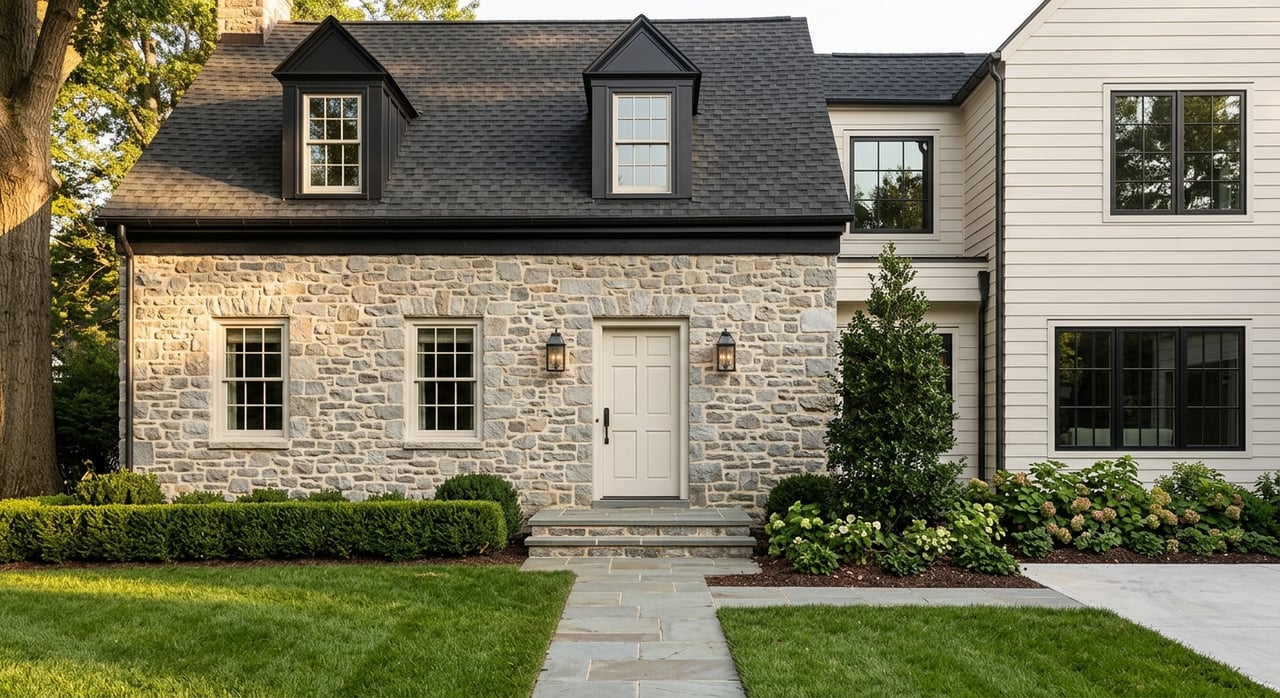
For many buyers, a historic home offers something that is hard to replicate. In Malvern, that often means original architectural details, a sense of place, and a close connection to the borough’s long-standing identity as a railroad commuting community along the Main Line.
Historic homes also tend to align well with buyers who value walkability and established streetscapes. In a borough where preservation is part of the long-term vision, older homes can feel woven into the fabric of the community rather than set apart from it. That can be especially appealing if you want a home that feels distinctive and rooted in local character.
There is also a broader market story at work. Malvern’s Historic Resources Plan notes that preservation supports revitalization and enhances existing structures, especially in the commercial corridor. That suggests historic character is not just sentimental. It is part of how the borough thinks about long-term value and identity.
What to Know About Historic Home Upkeep
Historic home ownership usually comes with a different maintenance mindset. Instead of planning for total replacement of materials on a regular cycle, the focus is often on ongoing repair, preservation, and careful upgrades.
National Park Service preservation guidance emphasizes maintenance and repair over extensive replacement or new construction. It also notes that uncontrolled moisture is one of the main causes of deterioration in older buildings. That makes routine monitoring and timely repairs especially important.
When replacement is necessary, the goal is generally to match original materials as closely as practical in composition, design, color, and texture. In Malvern, local code reflects that preservation approach. For designated historic work, borough approval is required before other permits and approvals are issued, and associated parcels and improvements may fall under the historical overlay.
That does not mean a historic home cannot be improved. Malvern’s current planning direction supports adaptive reuse, and the borough points qualifying homeowners toward rehabilitation and weatherization programs that may help with structural, plumbing, heating, electrical, insulation, and air-leakage issues.
Why New Construction Appeals to Buyers
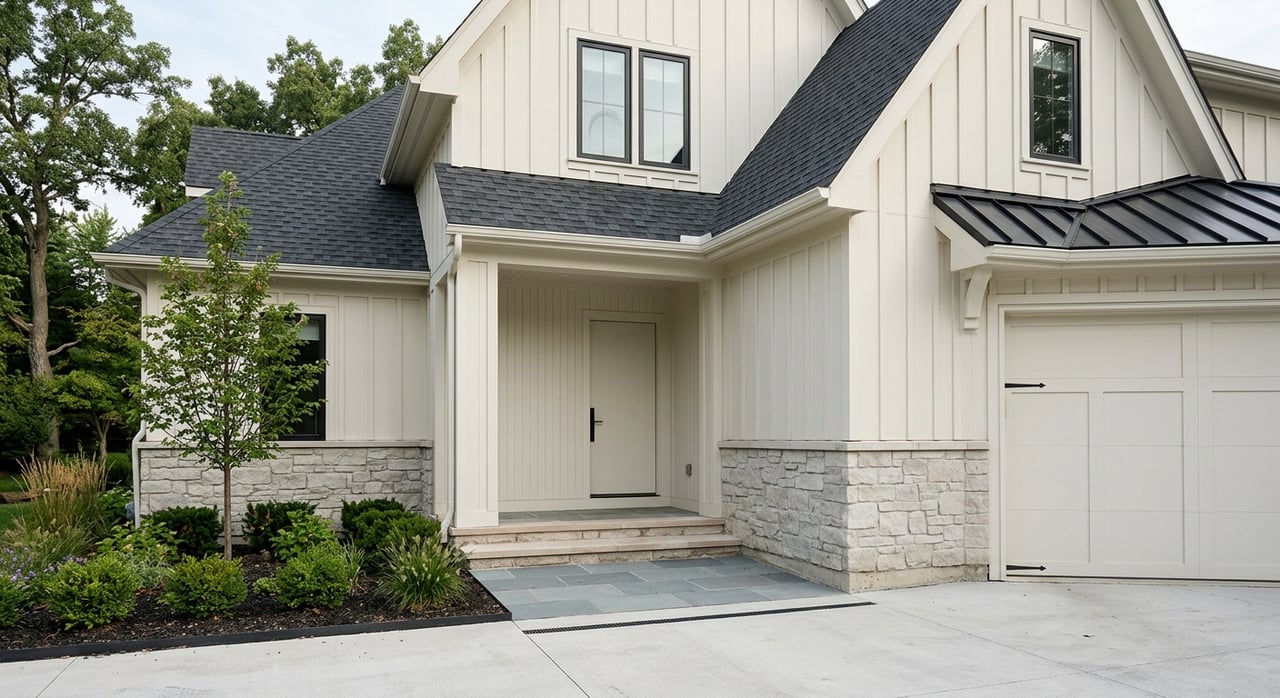
New construction tends to attract buyers who want predictability, efficiency, and updated systems. If you prefer a home with fewer near-term repair unknowns, modern materials, and a more turnkey feel, a newer property may be a better fit.
Energy performance is one of the clearest advantages. ENERGY STAR says certified homes are at least 10% more energy efficient than homes built to code and average about 20% better. The U.S. Department of Energy also describes efficient new homes as rigorously verified, high-performance homes designed to deliver energy savings, comfort, health, and durability.
For many buyers, that translates into practical value. Lower operating costs, newer building systems, and a tighter building envelope can make daily ownership simpler. ENERGY STAR also notes that energy efficiency can make a home more attractive to buyers when it is time to sell.
The Reality of New Construction in Malvern
The challenge is supply. In Malvern, new construction is not likely to show up as broad suburban expansion or large greenfield development. Local planning documents make clear that future housing is more likely to come through infill, redevelopment, and adaptive reuse.
That means newer homes in the borough may be selective, limited, and shaped by context-sensitive design expectations. As of March 2026, Malvern was revising zoning and subdivision rules to strengthen protections for existing neighborhoods, allow accessory dwelling units, create a green redevelopment district, and create new pathways for adaptive reuse of historic homes and structures.
The same update also points to design standards related to facades, landscaping, sidewalks, and lighting. So even when new housing does come to market, it is likely to be influenced by the borough’s larger goal of balancing change with preservation.
How to Decide Which Fits You
The smartest way to approach this decision is to treat it as a lifestyle and ownership-horizon choice, not a status choice. Both home types can work well in Malvern, but they serve different priorities.
A historic home may fit you better if you:
- Value architectural character and original details
- Want a home tied closely to Malvern’s borough identity
- Appreciate established streetscapes and walkable settings
- Are comfortable with ongoing maintenance and repair
- Understand that some updates may involve additional review steps
A newer home may fit you better if you:
- Want modern systems and a more turnkey experience
- Prefer stronger energy performance and predictable utility costs
- Want lower near-term maintenance needs
- Are less focused on historic detailing
- Are willing to be patient in a market where newer inventory can be limited
Resale in Malvern: Old vs. New
When clients ask which is the better investment, the most honest answer is that age alone is not the deciding factor. In Malvern, resale appeal depends heavily on location, condition, design fit, and how well the property lines up with what local buyers are actually looking for.
A well-located historic home with thoughtful updates may benefit from the borough’s preservation identity and distinctive character. A well-built newer home may stand out because of lower operating costs, efficiency, and convenience. In a land-constrained borough that is balancing preservation with change, scarcity can support demand on both sides.
This is where a technical lens matters. Looking beyond the surface can help you assess whether a historic home has been responsibly maintained or whether a newer home truly delivers the performance and quality its price suggests. In a market like Malvern, details matter.
A Smarter Way to Evaluate Any Home
Whether you lean historic or new, focus on the factors that affect everyday ownership and long-term value. That means looking closely at:
- The home’s condition and maintenance history
- Moisture management and building-envelope performance
- The quality and compatibility of past updates
- Whether any local review or approval steps may apply
- Energy efficiency and operating-cost expectations
- How the property fits the surrounding block and buyer pool
In Malvern, this kind of evaluation is especially important because the housing stock is varied and the borough is actively shaping how preservation and redevelopment work together. You are not just buying a house. You are buying into a very specific local context.
If you are deciding between a newer property and a home with history, a grounded, property-specific review can help you avoid oversimplified assumptions. For tailored guidance on buying or selling in Malvern, connect with Greg Davis Luxury Homes for a consultation.
FAQs
Is every older home in Malvern a historic property?
- No. An older home is not automatically a formally recognized historic property, and local historic-overlay rules apply to designated resources rather than every older house.
Can you modernize a historic home in Malvern?
- Yes. Historic homes can be updated, but the work should respect original materials and character, and designated properties may require borough approval before other permits are issued.
Is new construction common in Malvern?
- Not in the large-subdivision sense. Malvern has limited undeveloped land, so newer housing is more likely to come from infill, redevelopment, and adaptive reuse.
Are newer homes always a better investment in Malvern?
- No. Newer homes may offer efficiency and lower near-term maintenance, but resale value in Malvern also depends on location, condition, design fit, and property scarcity.
What is the biggest ownership difference between a historic and newer home in Malvern?
- In general, historic homes often require more ongoing repair and preservation of original materials, while newer homes usually offer updated systems and more predictable performance.
Why does Malvern’s local planning matter when choosing a home?
- The borough is actively balancing preservation with redevelopment, which affects what can be built, how properties may be updated, and how different home types fit into the local market over time.